Bridging Screens and Solidarity
In “Our Digital Revolution”, we reclaim the digital space for critical resources that center resilience, resistance, and reimagining within our communities. Here, we share our Decolonial Language Toolkit, designed to honor Indigenous histories and amplify voices often silenced by colonial narratives in global dialogues on climate and justice.
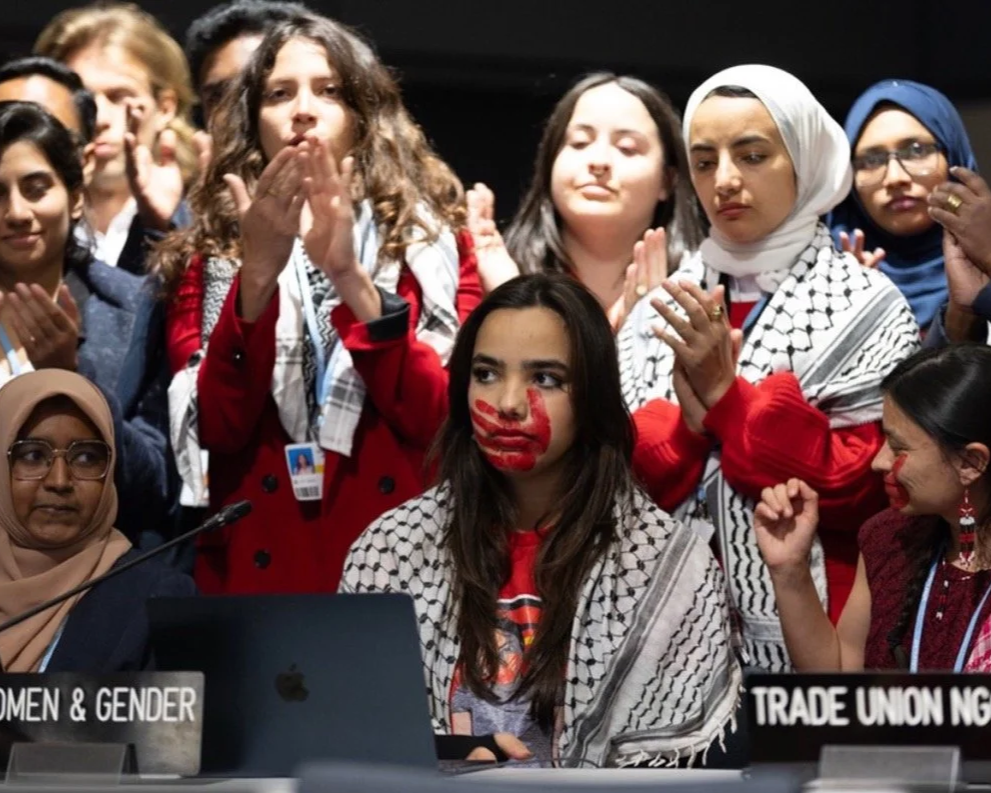
This space also uplifts stories of courage and defiance from the SWANA region, showcasing the lived experiences of young women as they confront the intersecting violence of climate destruction, war, genocide, ecocide, and forced displacement. Through these tools and other decolonial offerings, we strive to spark radical conversations, dismantle oppressive systems, and reorient climate action toward collective liberation, sustainability, and justice rooted in equity.
Community, Connection & Collaboration
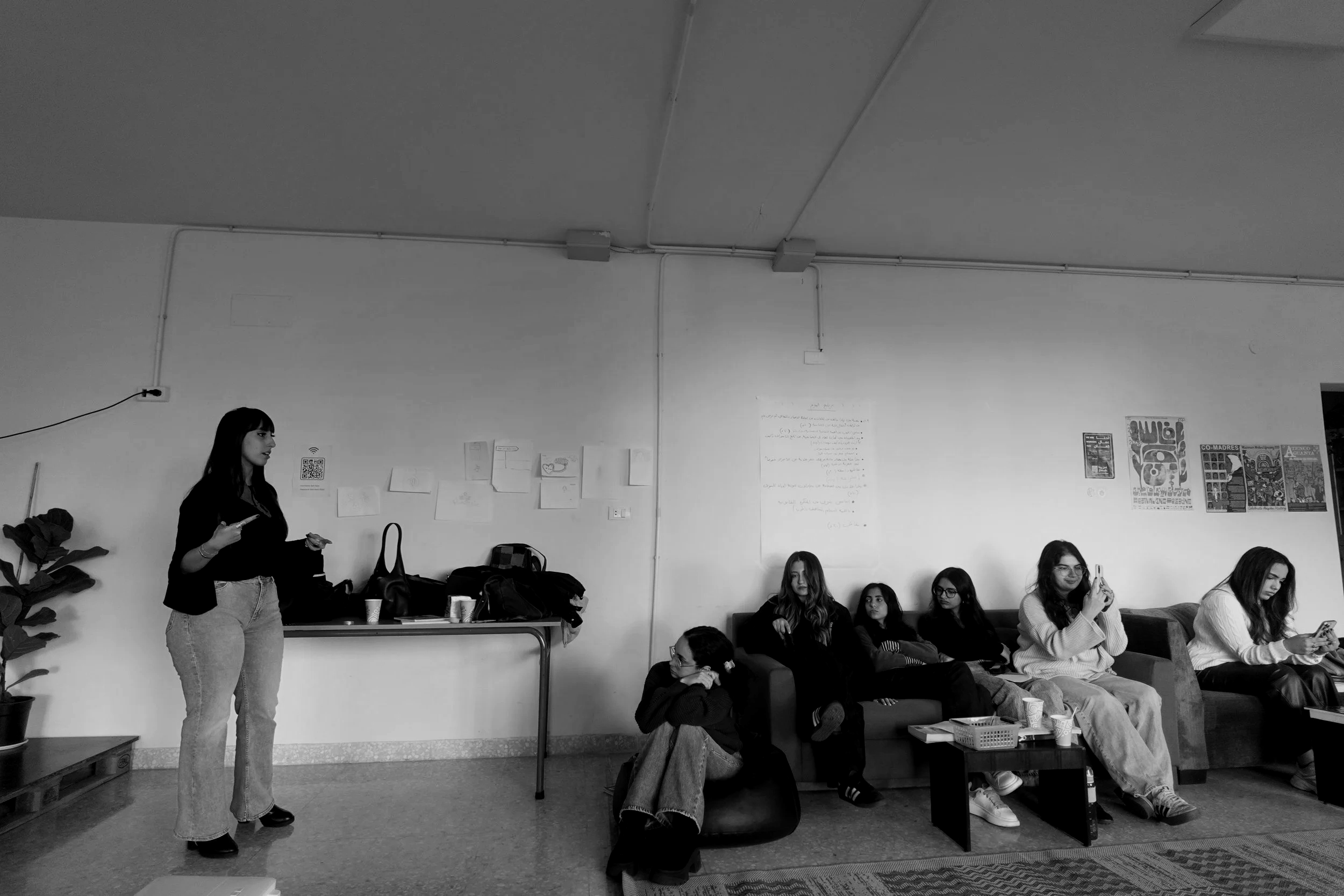
We host online events, conversations, workshops, and creative gatherings that center the voices, experiences, and leadership of women and marginalized communities across climate justice movements. Our spaces are designed to foster learning, solidarity, storytelling, and collective action across borders. We warmly welcome partnerships with organizations, collectives, artists, researchers, and activists who share our commitment to feminist, decolonial, and community-rooted approaches to climate justice.
Decolonizing Language Toolkit
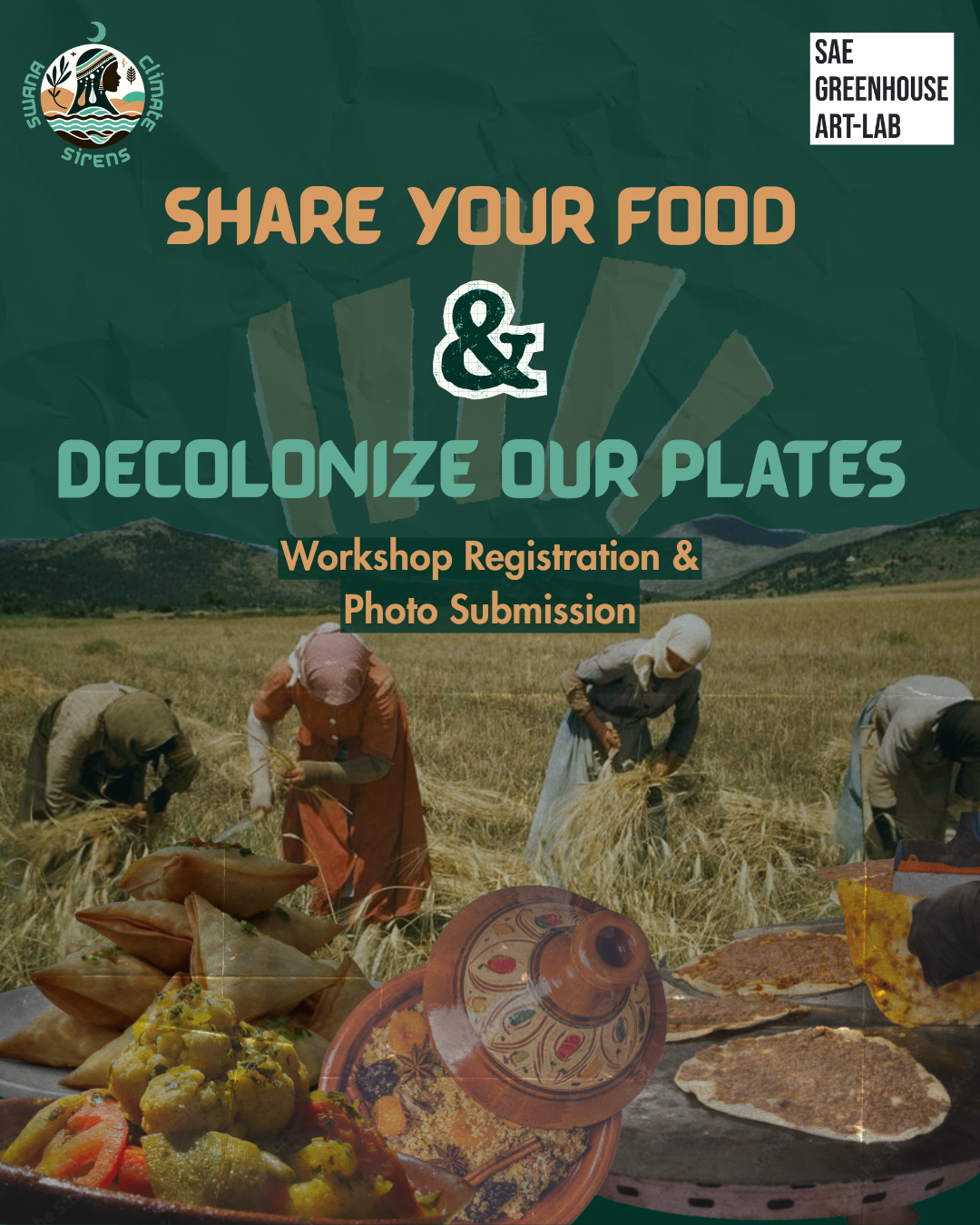
Understanding and adopting language that reflects the true diversity, and resilience, and power of our communities.
We take back control of our narrative. Language is a vessel of culture, history, and identity.
By reclaiming language, we can:
Resist Erasure
Uplift Communities
Challenge Power Structures

The Butterflies of the Mediterranean
This campaign is part of the Mediterranean Youth in Action Transformative Narratives programme, implemented by the Anna Lindh Foundation. The programme serves as a platform for young influencers and digital content creators to create meaningful content and lead social media initiatives and awareness campaigns that highlight youth voices, strengthen media narratives, and promote intercultural dialogue across the Euro-Mediterranean region.
Butterflies of the Mediterranean is a storytelling campaign that centers the lived experiences, resistance, care work, and community action of women on the frontlines of environmental change. This campaign was co-led by Aya Laabadli Khallouq and Diana Almasri.
Not Past. Not Future. NOW.
We are proud and excited to share our zine Not Past. Not Future. NOW.
This is our collective mini-zine, documenting ongoing harsh realities and challenges across the SWANA region.
This zine was made possible through our partnership with the Doria Feminist Fund. This support allowed young women across SWANA women to document the now through art as witnessing, survival, and resistance.
Feminist Healing Circle
The SWANA region is currently facing severe challenges including climate disasters, genocides, wars, and systemic oppression, significantly impacting the emotional and psychological well-being of women and gender-diverse individuals. Activists in countries like Lebanon, Palestine, Syria, Morocco, Sudan, Libya, and more carry the burden of collective traumas without adequate support for emotional healing.
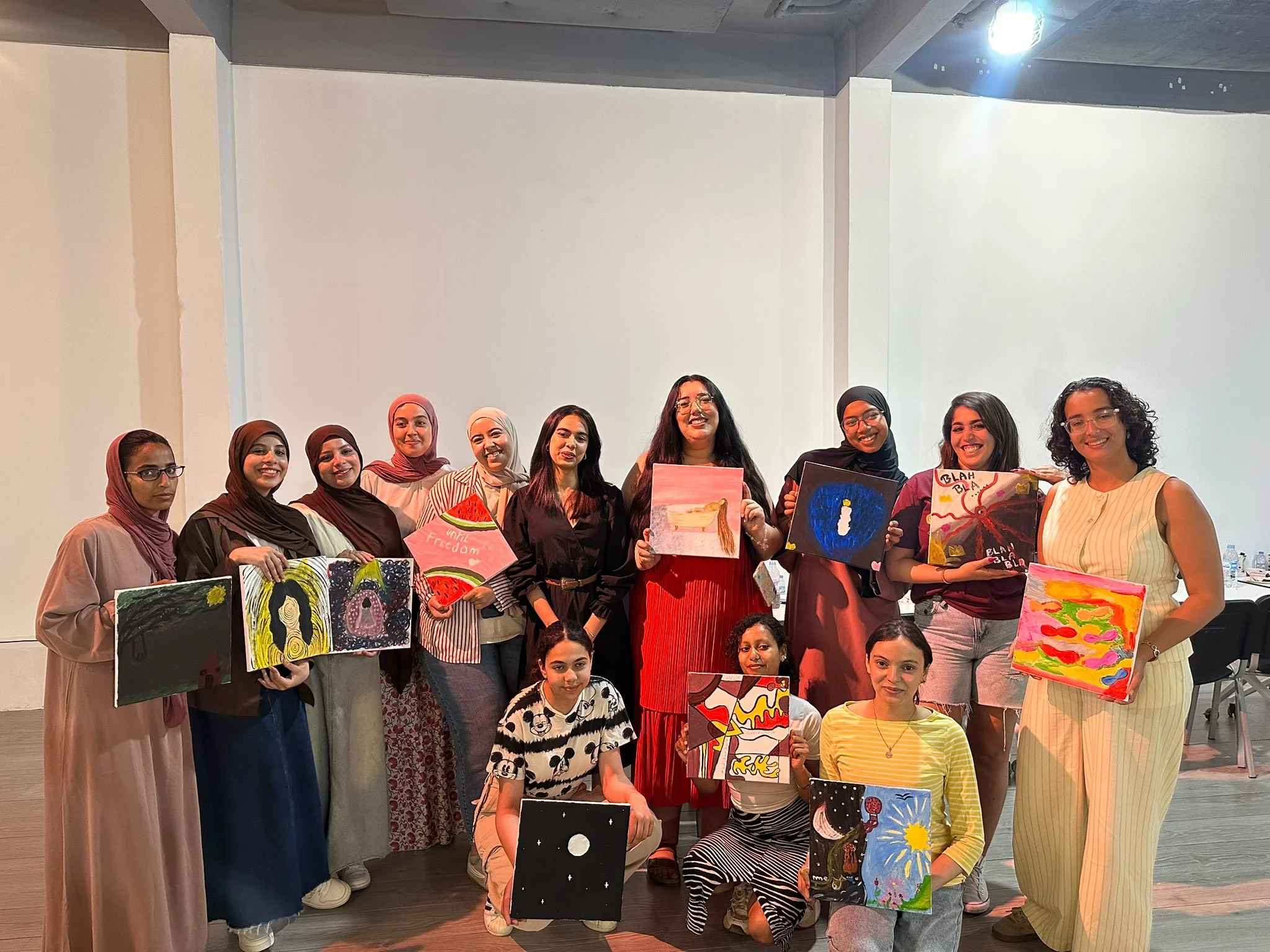
Climate Sirens hosts in person and virtual healing circles that include emotional release through individual reflections and group sharebacks, guided healing meditation, live musical performances, and more to promote resilience, emotional release, and collective care.
Stories of Resilience
Stories of Resilience from Lebanon, Syria, Palestine, and Sudan is a collective testimony to the strength of young women living through war, occupation, climate disasters and displacement. Through deeply personal narratives, the book amplifies voices often silenced, tracing journeys of survival, identity, and resistance across borders. Grounded in historical context and feminist analysis, Unbroken brings together stories from Lebanon, Syria, Occupied Palestine, and Sudan to reveal shared struggles shaped by colonialism, militarization, and forced displacement. This book is a call to remember, to bear witness, and to recognize young women as leaders, peacebuilders, and agents of justice transforming pain into power.